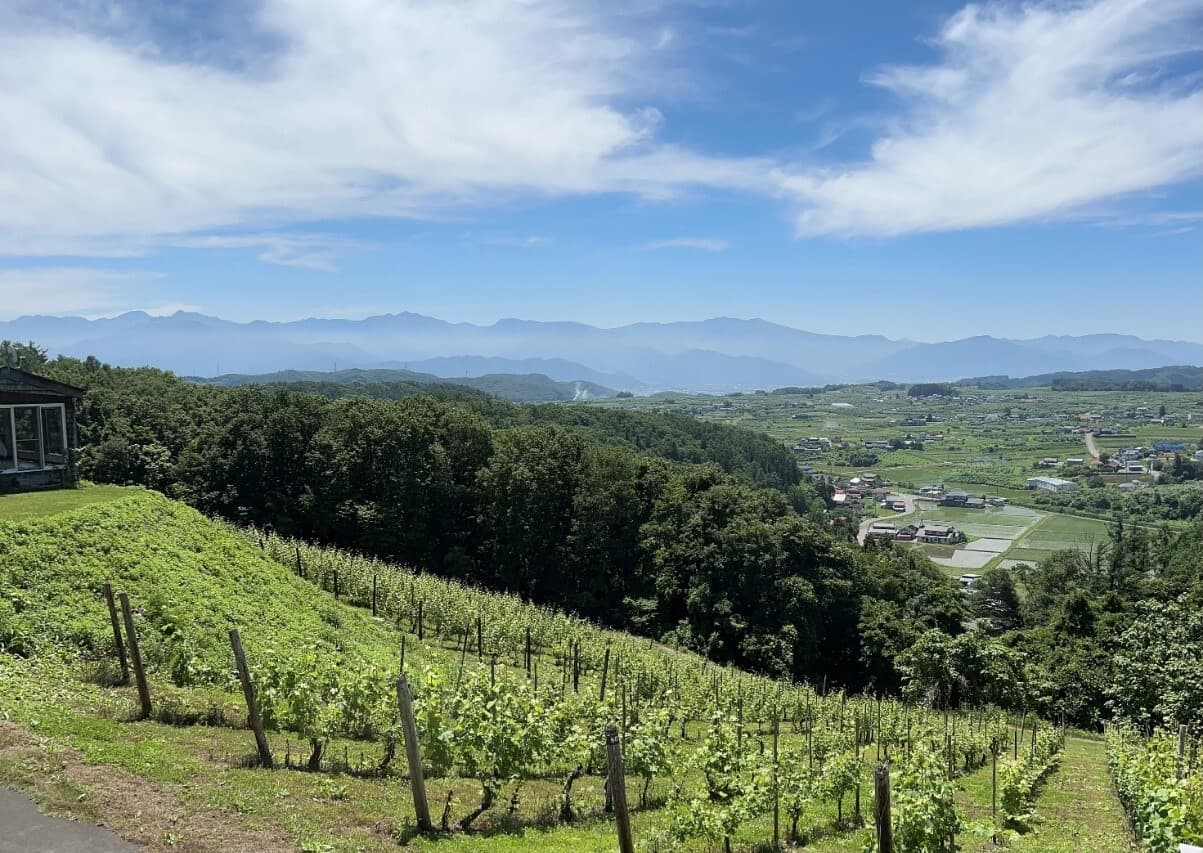

Hokkaido vs. Nagano: The Battle for Japan's Best Red Wine
Hokkaido is Japan's Burgundy; Nagano is its Bordeaux. A comprehensive showdown between Japan's two premier wine regions—comparing terroir, grapes, culture, and travel logistics.

If you ask a sommelier in Tokyo to recommend a top-tier Japanese red wine, they will likely counter with one question: "Do you prefer the elegance of Burgundy or the power of Bordeaux?"
While Japan doesn't seek to copy France, its two premier wine regions have evolved into a perfect parallel of that classic rivalry. Hokkaido, the northern frontier, has become the spiritual home of delicate, acid-driven wines like Pinot Noir. Nagano, the alpine heartland, has staked its claim on polished, structural powerhouses like Merlot.
But the difference goes deeper than just the grape. It's a battle of geology, climate, and philosophy. This guide breaks down the defining characteristics of Japan's two wine giants to help you decide which bottle—or which ticket—to book next.
Table of Contents
- The Cheat Sheet: Quick Comparison Matrix
- The Tale of Two Climates
- Sub-Region Deep Dive: Hokkaido
- Sub-Region Deep Dive: Nagano
- The Verdict: Which Should You Buy?
- Travel Logistics: Visiting the Regions
- Frequently Asked Questions
The Cheat Sheet: Quick Comparison Matrix
For the drinker in a hurry, here is the high-level breakdown of the two heavyweights.
| Feature | Hokkaido (Yoichi/Sorachi) | Nagano (Kikyogahara/Chikumagawa) |
|---|---|---|
| The Vibe | "The Burgundy" Small artisans, wild nature, snow. |
"The Bordeaux" Established estates, polished precision. |
| Key Climate Stat | Maritime / Snowy Summer temps +2.8°C rising (Reuters). |
Continental / High Altitude High elevations (350-900m). |
| Star Red Grape | Pinot Noir (Light, earthy, perfumed) | Merlot (Medium-full, structured, silky) |
| Star White Grape | Kerner (Aromatic, crisp acid) | Chardonnay (Rich, often oaked) |
| Soil Type | Heavy Clay-Loam & Volcanic Sand | Volcanic Ash & River Gravel |
The Tale of Two Climates
Geography is destiny. The reason these two regions produce opposite styles of wine comes down to heat, height, and snow.
Hokkaido: The "Snow Shield"
Hokkaido is classic cool-climate viticulture, sitting at a latitude comparable to Champagne or Alsace. It is the northern limit of winemaking in Japan.
- The Challenge: Extreme winter cold. Temperatures can dip below -20°C, which would kill an exposed grapevine instantly.
- The Solution: The "Snow Shield." Winemakers must physically bury their vines under the massive annual snowpack every winter. The snow insulates the vines at a cozy -7°C, allowing them to survive until spring. This labor-intensive process defines the region.
- The Shift: Climate change involves real risk here, but it has unlocked massive potential. According to an October 2025 Reuters report, growing degree days (GDD) in Yoichi have risen significantly, with summer temperatures averaging 2.8°C (5°F) higher than the 30-year norm. This has extended the ripening window, allowing Pinot Noir to achieve a physiological ripeness that was impossible 20 years ago.
Nagano: The High Plateau
Nagano relies on altitude rather than latitude. It is an alpine basin surrounded by the "Japanese Alps."
- The Geography: Vines are not planted on the flat valley floor, but on high FLuvial terraces ranging from 350m to 900m.
- The Diurnal Miracle: The secret weapon here is the diurnal shift. Daytime temperatures spike, encouraging sugar development in the grapes. However, the thin mountain air causes temperatures to plummet at night—sometimes by up to 20°C. This locks in the natural acidity, preventing the Merlot from becoming "jammy" or flabby, ensuring the wines retain a European-style freshness.
- The Scale: Nagano is a powerhouse. According to National Geographic (2025), it is now Japan's second-largest region by winery count, with ~88 wineries projected in 2025, a massive leap from just 33 in 2020. Not only is the quantity high, but the technical standard is incredibly consistent.
Sub-Region Deep Dive: Hokkaido
Saying "I drink Hokkaido wine" is too broad. The region is split into distinct zones, each with its own personality.
1. Yoichi (The "Gold Coast")
Located on the Sea of Japan, Yoichi is the heartbeat of the modern Japanese wine revolution. It benefits from warm sea breezes (the Tsushima Current), which moderate the harsh winter slightly.
- The Vibe: This is "Domaine" country. Small, family-run plots, often organic or biodynamic. Similar to the Côte d'Or in Burgundy.
- Key Wines: This is the home of Pinot Noir and Kerner. The wines are marked by a distinctive salinity and savory earthiness.
- Names to Know: Domaine Takahiko (the cult icon), Domaine Beau Paysage, and Hirakawa Winery.
2. Sorachi (The "Inland Frontier")
East of Sapporo, the Sorachi region is landlocked and faces a much harsher reality.
- The Vibe: Unforgiving winters and heavy snow. Vines here must be incredibly hardy. It feels like a frontier—wild and expansive.
- Key Wines: Winemakers here lean into aromatic powerhouses like Gewürztraminer, Pinot Gris, and cold-hardy hybrids like Yamasachi. The wines are intense, perfumed, and piercingly acidic.
- Names to Know: Yamazaki Winery and Kondo Vineyard.
3. The Wildcard: Hakodate
Don't sleep on the southern tip. Hakodate is warmer and is driving volume growth. It produces the accessible "Sapporo Wine" style often found in supermarkets, but recent boutique producers are leveraging the milder climate for fuller-bodied reds.
Sub-Region Deep Dive: Nagano
Nagano is legally divided into five "valleys," but for the purpose of a red wine lover, two matter most.
1. Kikyogahara (The "Merlot Miracle")
A flat, high plateau at 700m in Shiojiri city. This is the historic heart of modern Japanese winemaking.
- The Soil: Deep volcanic ash over gravel. It drains like a sieve, forcing vines to dig deep for water. This stress creates concentrated, tannic grapes.
- The Result: This is where Japanese Merlot earned its global reputation. The wines are structured, elegant, and built for long aging.
- Names to Know: Chateau Mercian (specifically their Kikyogahara Merlot), Izutsu Wine, and Goichi Wine.
2. Chikumagawa (The "Up-and-Comer")
Also known as the shinshu wine valley, this follows the Chikuma River and creates diverse terrace vineyards.
- The Vibe: This is the "Napa" of Japan in terms of investment and new openings. It is exploding with boutique estates founded by retirees, young couples, and corporate investors.
- Key Wines: Chardonnay is king here, often vinified in Burgundy style (oak barrel fermentation). Cabernet Franc is also showing incredible promise.
- Names to Know: Villa d'Est (founded by painter Toyoo Tamamura), Rue de Vin, and Hasumi Farm.
The Verdict: Which Should You Buy?
Still undecided? Here is our final decision matrix based on your palate.
Buy Hokkaido If:
- ✅ You love Natural Wine. The "Domaine" culture in Yoichi is heavily influenced by low-intervention winemaking (wild yeast, low sulfur).
- ✅ You prefer Acid & Earth. If your go-to bottle is a Red Burgundy, Chablis, or German Riesling, you will feel at home here.
- ✅ You want the "Unicorn." The hardest-to-find bottles in Japan (Takahiko, Mont) are all from Hokkaido. They are status symbols as much as beverages.
Buy Nagano If:
- ✅ You want Consistency. The "Estate" culture here produces clean, technically flawless wines year after year. There is less bottle variation than in Hokkaido.
- ✅ You love Bordeaux. If you want tannins, structure, dark fruit, and oak influence, Nagano Merlot is the only game in town.
- ✅ You are hosting a Dinner Party. A bottle of Chikumagawa Chardonnay is a crowd-pleaser that stands up to rich food (like Tonkatsu or Wagyu) without confusing the palate.
Travel Logistics: Visiting the Regions
Visiting Hokkaido (Yoichi)
- Access: Easy. A 60-minute train ride or drive from Sapporo. You can stay in the city and day-trip to the vines.
- Tourism Infrastructure: Growing but rustic. Taxis are essential to get between wineries.
- Best For: A weekend getaway combining excellent sushi/seafood (Otaru) with winery hopping.
Visiting Nagano
- Access: Requires commitment. It is a 1.5-2 hour Shinkansen ride from Tokyo, followed by rental cars. The valleys are spread out (30-60 mins apart).
- Tourism Infrastructure: Excellent. Many wineries have full restaurants, tasting decks, and sophisticated shops (e.g., St. Cousair, Villa d'Est).
- Best For: A dedicated 2-3 day "wine road trip" for serious oenophiles who want to visit 5-6 estates.
Frequently Asked Questions
Which region is cheaper?
Generally, Nagano offers more entry-level value. You can find excellent Nagano Merlot or Chardonnay in the ¥2,000–¥3,000 range. Hokkaido wines, due to lower yields and high demand, often start at ¥3,500 and climb rapidly to ¥10,000+.
Can I find Cabernet Sauvignon in Japan?
Yes, primarily in Nagano (Chikumagawa) and Yamagata (another region). Hokkaido is simply too cold to ripen Cabernet Sauvignon properly; stick to the Pinot Noir and Zweigelt there.
What about Koshu?
Koshu is the indigenous grape of Yamanashi Prefecture (near Mt. Fuji), not Hokkaido or Nagano. While some is grown in Nagano, if you want classic Koshu, look to Yamanashi.
Ready to explore more? Check out our Ultimate Guide to Yoichi for a detailed travel itinerary.